
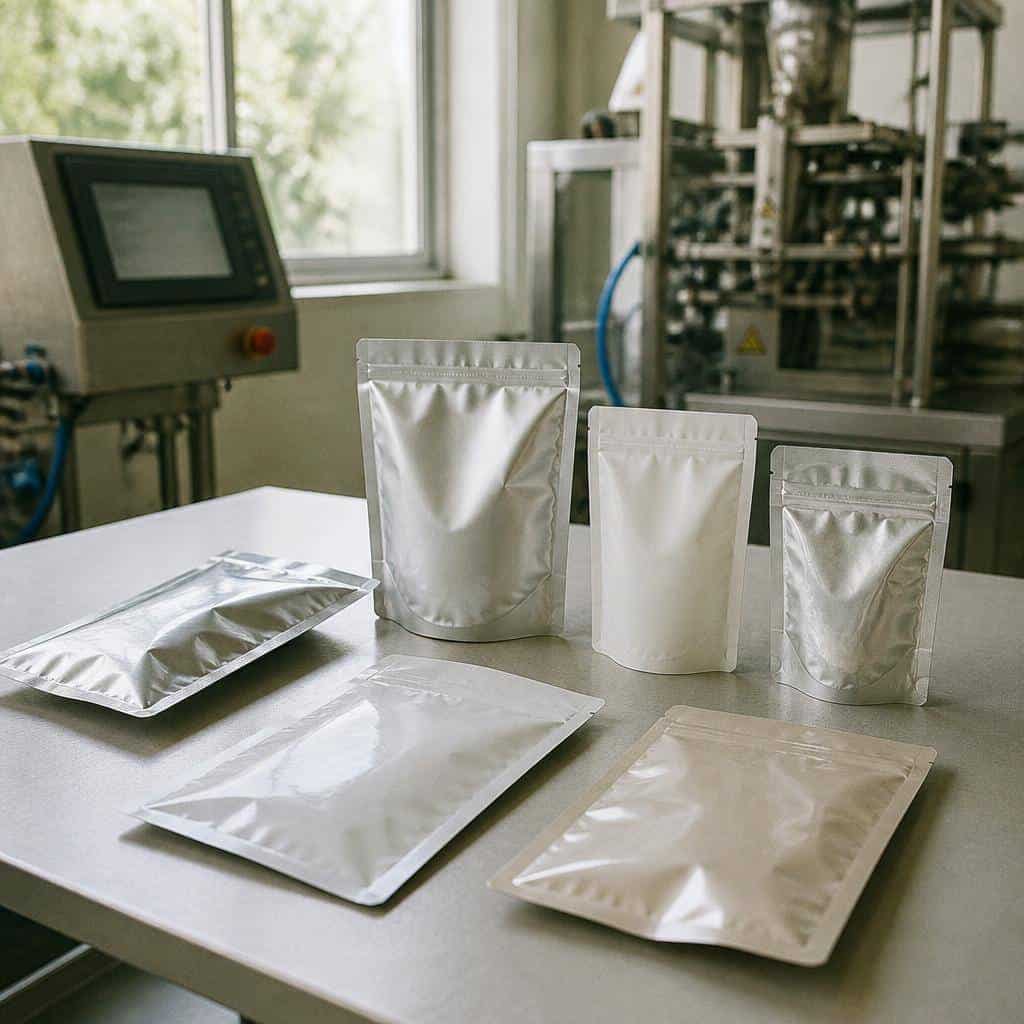
Choosing the right packaging for liquid foods can significantly impact product safety, shelf life, and consumer satisfaction. A retort pouch stands out as a flexible packaging solution designed to withstand high-temperature sterilization processes while maintaining product integrity. Before selecting a retort pouch, several critical factors come into play that ensure compatibility with the type of liquid food, processing requirements, and distribution conditions.
Material Compatibility for Liquid Food Packaging
Retort pouches are usually constructed from multilayer laminates combining materials like polyester, aluminum foil, and polypropylene. Each layer contributes specific properties such as barrier protection, heat resistance, and sealing capability. When choosing a pouch for liquid foods, verify that the material resists chemical interaction with the liquid, especially for acidic or oily contents, to avoid leaching or flavor contamination.
Consider whether the pouch must protect against oxygen, moisture, or light exposure, as these factors directly affect product freshness. For example, dairy-based liquids may demand higher oxygen barriers, while soups or sauces might prioritize robust heat resistance.
Processing and Sterilization Requirements
The critical feature of a retort pouch is its ability to endure thermal sterilization or retorting. This involves processing the filled pouch at temperatures typically above 121°C under pressure to ensure microbial safety. The pouch must maintain mechanical integrity during these conditions without delamination, bursting, or leakage.
Check the maximum temperature and pressure tolerance specified by the manufacturer. Also, verify the pouch design supports efficient heat penetration to achieve uniform sterilization without overprocessing the product, which can degrade quality.
Sealability and Filling Technology
Reliable sealing is essential to prevent contamination and leakage of liquid contents. The sealing layer material and pouch design should be compatible with the filling equipment used, whether manual or automated.
Evaluate seal strength, burst pressure, and peelability depending on the end-user’s handling preference. Some liquid foods require tamper-evident seals or reclosable zippers to improve convenience without compromising safety.
Size, Shape, and Storage Considerations
The geometry of a retort pouch affects not only packaging efficiency but also transportation and shelf display. Manufacturers often select pouch sizes tailored to portion control, consumer usage occasions, or regulatory requirements.
Flat or stand-up pouch styles can influence how liquid foods settle and pour. Stand-up pouches are popular for ease of use and shelf presence, but flat pouches may offer better packing density in shipping cartons.
Regulatory and Safety Compliance
Ensure the chosen pouch meets food-grade certification standards relevant to the target market. This includes compliance with FDA, EFSA, or local food safety authorities concerning material safety, migration limits, and labeling.
Confirm that the supplier provides documentation covering these certifications, as packaging that does not comply can cause costly delays or product recalls.
Cost Considerations and Sustainability
While cost is always a factor, it’s important to balance upfront packaging expense with potential savings on logistics, shelf life extension, and brand perception. Retort pouches often lead to overall cost reductions due to lighter weight and smaller volume compared to rigid containers.
Some manufacturers also offer recyclable or biodegradable materials, which may align with corporate responsibility goals or consumer preferences.
Where to Source Quality Retort Pouches
Reliable manufacturers offer tailored retort pouch solutions that match specific liquid food applications. It pays to work with suppliers who provide detailed technical support, material testing reports, and customizable options such as printing and pouch shape.
For businesses looking for a trusted supplier, exploring options with proven expertise can ensure consistent product quality and regulatory compliance. Check the supplier’s ability to provide samples for testing under your production conditions.
Businesses can find a variety of flexible packaging choices designed to meet diverse liquid food requirements, including retort pouches tailored for thermal processing. For example, the range offered by retort pouch manufacturers includes options optimized for heat resistance, sealing performance, and material compatibility.
| Factor | Considerations | Impact on Liquid Food Packaging |
|---|---|---|
| Material Composition | Barrier properties, chemical resistance | Preserves freshness, prevents contamination |
| Thermal Resistance | Max temperature and pressure tolerance | Ensures safety during sterilization |
| Seal Quality | Seal strength, compatibility with filling equipment | Prevents leaks and microbial ingress |
| Shape & Size | Portion size, package form factor | Optimizes distribution and consumer usability |
| Regulatory Compliance | Food-grade certifications, safety documentation | Meets legal requirements and market standards |
- Check product compatibility with chemical and thermal processing parameters.
- Evaluate seal integrity for the specific liquid viscosity and handling conditions.
- Consider packaging design that supports logistics and consumer convenience.
- Verify regulatory certifications before finalizing supplier selection.
- Assess the cost-benefit ratio including long-term storage and transport savings.
The right choice of a retort pouch can safeguard liquid food quality while offering practical advantages in packaging and distribution. Taking time to examine material properties, sealing methods, and regulatory compliance will help select a solution tailored to product needs and market demands.


