Food safety at home means handling, preparing, cooking, and storing food in ways that reduce the risk of illness-causing germs and toxins. The U.S. Centers for Disease Control and Prevention (CDC) estimates that foodborne illness affects about 48 million people in the United States each year, leading to approximately 128,000 hospitalizations and 3,000 deaths. Four practical habits address many preventable risks: clean hands and surfaces, separate raw foods from ready-to-eat foods, cook foods to safe temperatures, and chill perishable foods promptly. Together, these habits help prevent cross-contamination, destroy harmful germs, and slow their growth.
Preventing Foodborne Illness Through the Four Home Food Safety Habits
The U.S. Department of Agriculture (USDA) and the Food and Drug Administration (FDA) organize core food-handling advice around four actions: Clean, Separate, Cook, and Chill. These are complementary controls, not substitutes for one another. Cooking can kill many harmful germs, for example, but it cannot undo contamination that spreads from raw chicken to salad after cooking. The habits apply to everyday tasks such as grocery storage, meal preparation, leftovers, and packed lunches.
Clean: Wash hands, utensils, and food-contact surfaces
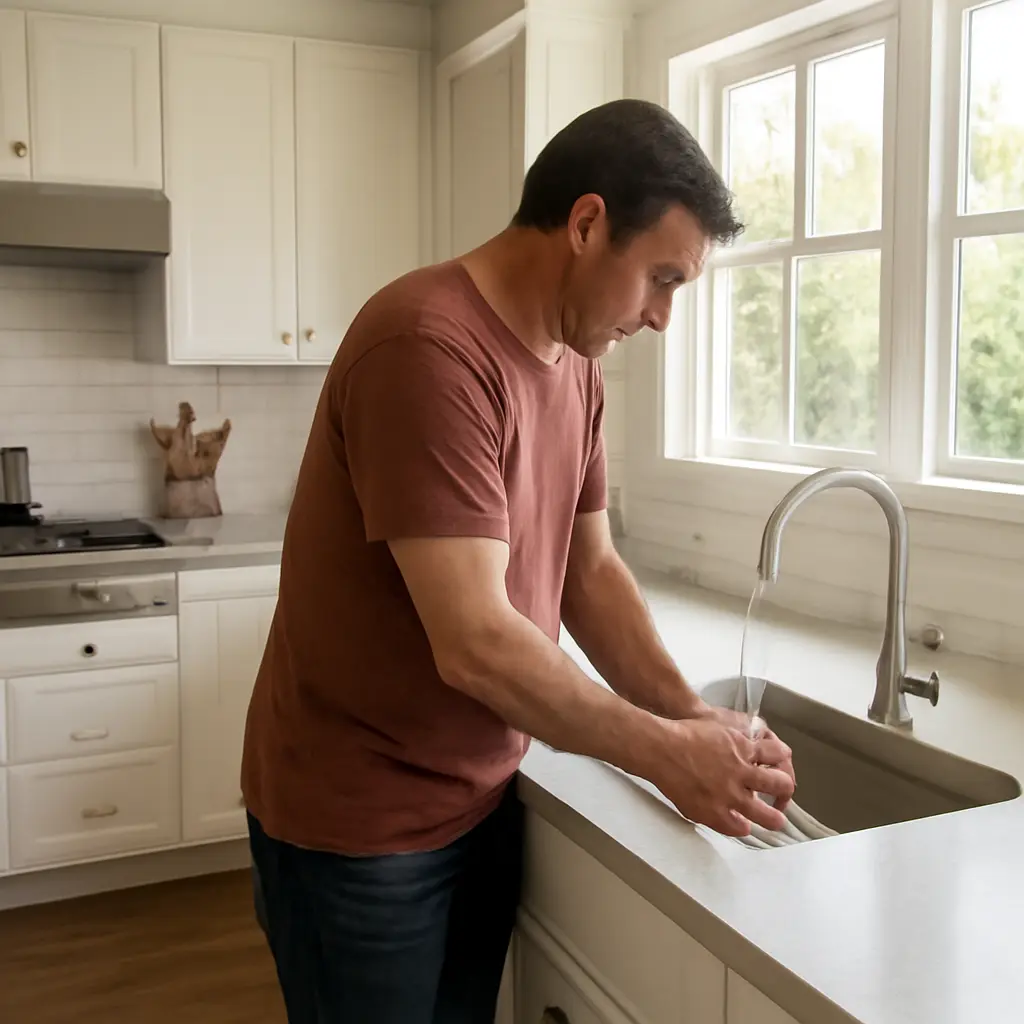
Cleaning means removing food residue and reducing contamination on hands, tools, and kitchen surfaces. The CDC recommends washing hands with soap and water for at least 20 seconds before, during, and after food preparation, and after handling raw meat, poultry, seafood, or eggs. Wash cutting boards, knives, counters, and plates with hot, soapy water after contact with raw foods. Sanitize food-contact surfaces when appropriate, following the product label.
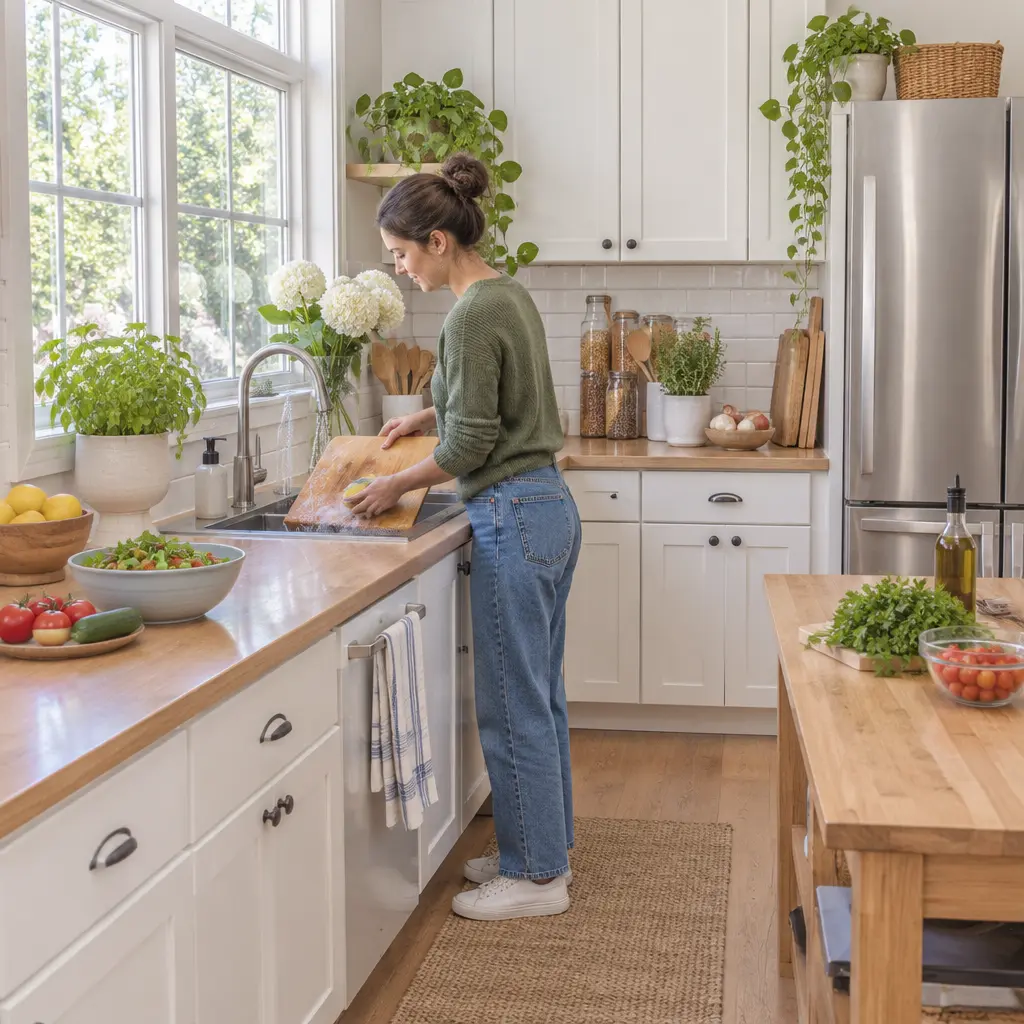
Rinse fresh produce under clean running water before eating, cutting, or cooking it; do not use soap or bleach on produce. Scrub firm produce, such as melons, with a clean produce brush. Washing produce reduces dirt and some surface contamination, but it does not make contaminated food risk-free. A common household example is preparing salad: wash hands and the counter first, rinse the vegetables, then use a clean board and knife rather than tools that have touched raw poultry.
Separate: Prevent cross-contamination
Cross-contamination occurs when harmful germs move from one food, hand, utensil, or surface to another. Keep raw meat, poultry, seafood, and eggs apart from foods that will be eaten without further cooking. At the store, bag raw animal foods separately. At home, store them in sealed containers on the refrigerator’s bottom shelf so drips cannot reach ready-to-eat foods.
Use separate cutting boards for raw animal foods and produce or cooked foods, or thoroughly wash and sanitize the board between tasks. Never place cooked food on an unwashed plate that held raw meat. Marinades that have touched raw meat should be discarded or brought to a boil before reuse. These steps are especially important when a meal includes both raw ingredients and ready-to-eat items, such as burgers served with sliced tomatoes and lettuce.
Cook: Use a food thermometer
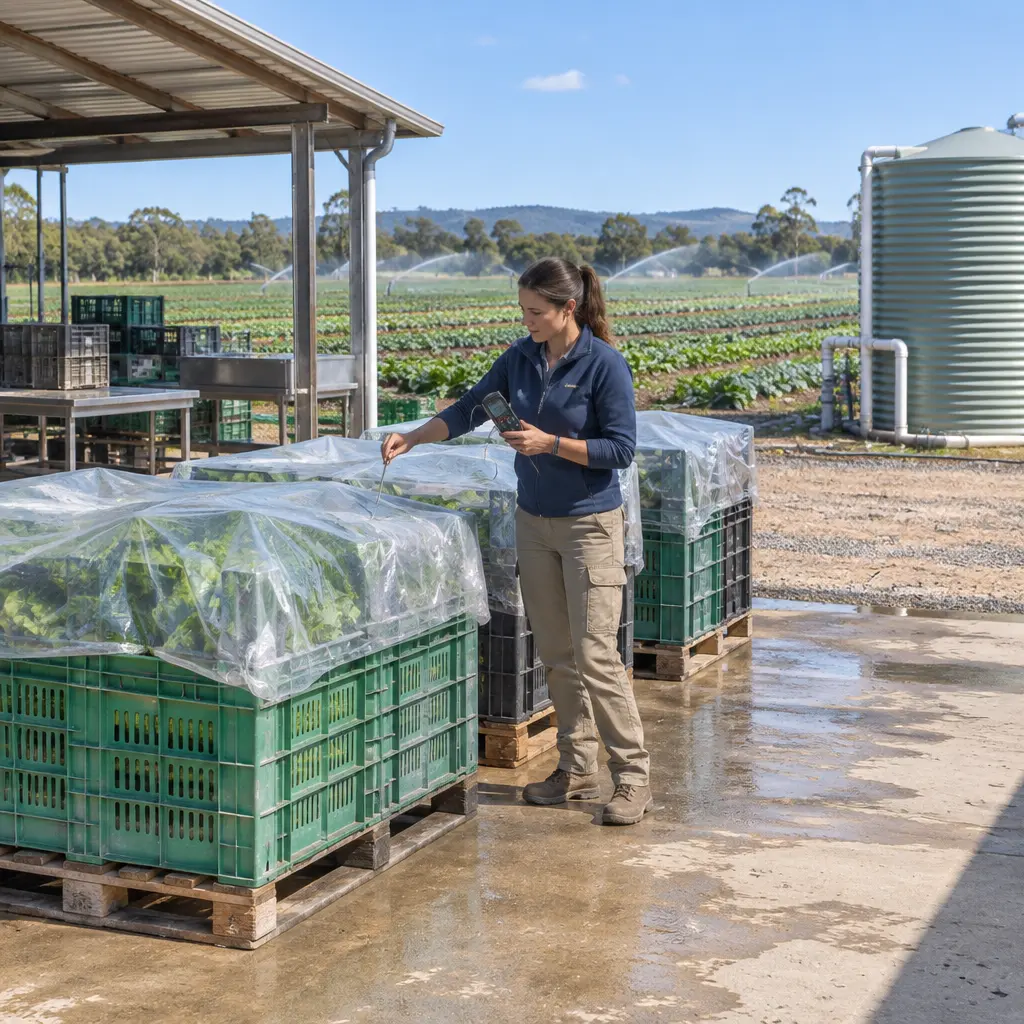
Cooking safely means heating food to a temperature high enough, throughout the food, to destroy harmful germs. Color, texture, and cooking time alone are unreliable indicators. The USDA recommends using a food thermometer and checking the thickest part, avoiding bone, where applicable. Its minimum internal temperature guidance includes 145°F (63°C) for whole cuts of beef, pork, veal, and lamb followed by a three-minute rest; 160°F (71°C) for ground meats; and 165°F (74°C) for poultry, casseroles, and leftovers.
Fish should reach 145°F (63°C), or be cooked until its flesh is opaque and separates easily with a fork. Egg dishes should reach 160°F (71°C), while eggs cooked in the shell should have firm yolks and whites. For microwave cooking, cover food, rotate or stir it, and allow standing time so heat can spread; verify the temperature in several places. A thermometer provides useful validation for foods such as burgers, whose browned exterior does not establish that the center is safe.
Chill: Refrigerate promptly and keep cold foods cold
Chilling slows the growth of many bacteria but does not kill all germs or make food safe indefinitely. Keep the refrigerator at 40°F (4°C) or below and the freezer at 0°F (-18°C), checking with an appliance thermometer. Refrigerate perishable food within two hours; reduce that limit to one hour when the temperature is above 90°F (32°C), such as at a summer picnic. Divide large portions into shallow containers so they cool faster, and refrigerate them promptly rather than waiting for them to reach room temperature.
Thaw food safely in the refrigerator, in cold water changed every 30 minutes, or in the microwave if it will be cooked immediately. Do not thaw perishable foods on the counter. The FDA advises discarding refrigerated leftovers after three to four days; when in doubt about how long food has been left out or stored, do not taste it to decide whether it is safe. For example, place picnic leftovers in a cooler with enough ice or frozen packs to keep them cold, rather than leaving them on a table through a warm afternoon.
Food Safety Risks, Vulnerable Groups, and Household Prevention
The four habits matter because foodborne illness can result from bacteria, viruses, parasites, or toxins, and contaminated food may look, smell, and taste normal. The CDC identifies young children, adults aged 65 and older, pregnant people, and people with weakened immune systems as groups at increased risk of severe illness. Household prevention therefore includes both routine hygiene and extra care with foods that pose greater risks to these groups.
Higher-risk foods and safer choices
Raw or undercooked animal foods—including meat, poultry, seafood, eggs, and unpasteurized milk or juice—can carry pathogens. Raw sprouts and some ready-to-eat foods may also present risks, particularly for people more likely to become seriously ill. Choose pasteurized milk and juice, cook animal foods to recommended temperatures, and follow package storage instructions. People at higher risk should consult FDA and CDC guidance about avoiding specific high-risk foods, including unpasteurized products and undercooked foods.
When food safety fails: outbreaks and recalls
Foodborne outbreaks show why safe handling must be paired with attention to public-health alerts. The CDC estimates that one in six Americans gets sick from contaminated food each year, though the source and severity differ by illness. A product recall can identify a hazard that household cooking or cleaning cannot reliably correct, so check recall notices from the FDA and USDA and follow their instructions to return or discard affected products. If someone develops severe symptoms, bloody diarrhea, a high fever, repeated vomiting, or signs of dehydration, seek medical advice; report suspected food-related illness to the local health department.
A Practical Daily Checklist for a Safer Kitchen
- Wash hands with soap and water for at least 20 seconds at key points during food preparation.
- Keep raw animal foods separate from produce, cooked food, and other ready-to-eat items.
- Use a food thermometer to verify safe internal temperatures.
- Keep the refrigerator at 40°F (4°C) or below and refrigerate perishables within two hours—or one hour in temperatures above 90°F (32°C).
- Label leftovers with the date, use refrigerated leftovers within three to four days, and reheat them to 165°F (74°C).
- Follow current recall notices and discard food when its safety is uncertain.
A simple kitchen reference chart can make these habits easier to follow: list minimum cooking temperatures beside the thermometer, and post the refrigerator temperature and leftover time limits nearby. The chart should supplement, not replace, current USDA and FDA guidance.
Conclusion: Make Food Safety a Routine
Clean, Separate, Cook, and Chill form a practical system for reducing foodborne illness at home. Clean hands and surfaces limit contamination; separation prevents germs from spreading; thermometer-guided cooking destroys many pathogens; and prompt chilling slows their growth. Because food can be unsafe without visible or detectable changes, reliable temperatures, time limits, and recall information matter more than appearance or smell. Make these habits part of every meal, and review CDC, USDA, and FDA guidance for food-specific advice—especially when cooking for people at higher risk.
Sources: Centers for Disease Control and Prevention, Estimates of Foodborne Illness in the United States, https://www.cdc.gov/food-safety/data-research/estimated-foodborne-illnesses.html; Centers for Disease Control and Prevention, About Food Safety, https://www.cdc.gov/food-safety/about/index.html; Centers for Disease Control and Prevention, Safer Food Choices for People at Higher Risk, https://www.cdc.gov/food-safety/foods/safer-food-choices.html; U.S. Department of Agriculture, Food Safety Basics, https://www.fsis.usda.gov/food-safety/safe-food-handling-and-preparation/food-safety-basics; U.S. Department of Agriculture, Safe Minimum Internal Temperature Chart, https://www.fsis.usda.gov/food-safety/safe-food-handling-and-preparation/food-safety-basics/safe-temperature-chart; U.S. Food and Drug Administration, Food Safety at Home, https://www.fda.gov/consumers/consumer-updates/food-safety-home; U.S. Food and Drug Administration, Refrigerator and Freezer Storage Chart, https://www.fda.gov/consumers/consumer-updates/are-you-storing-food-safely.