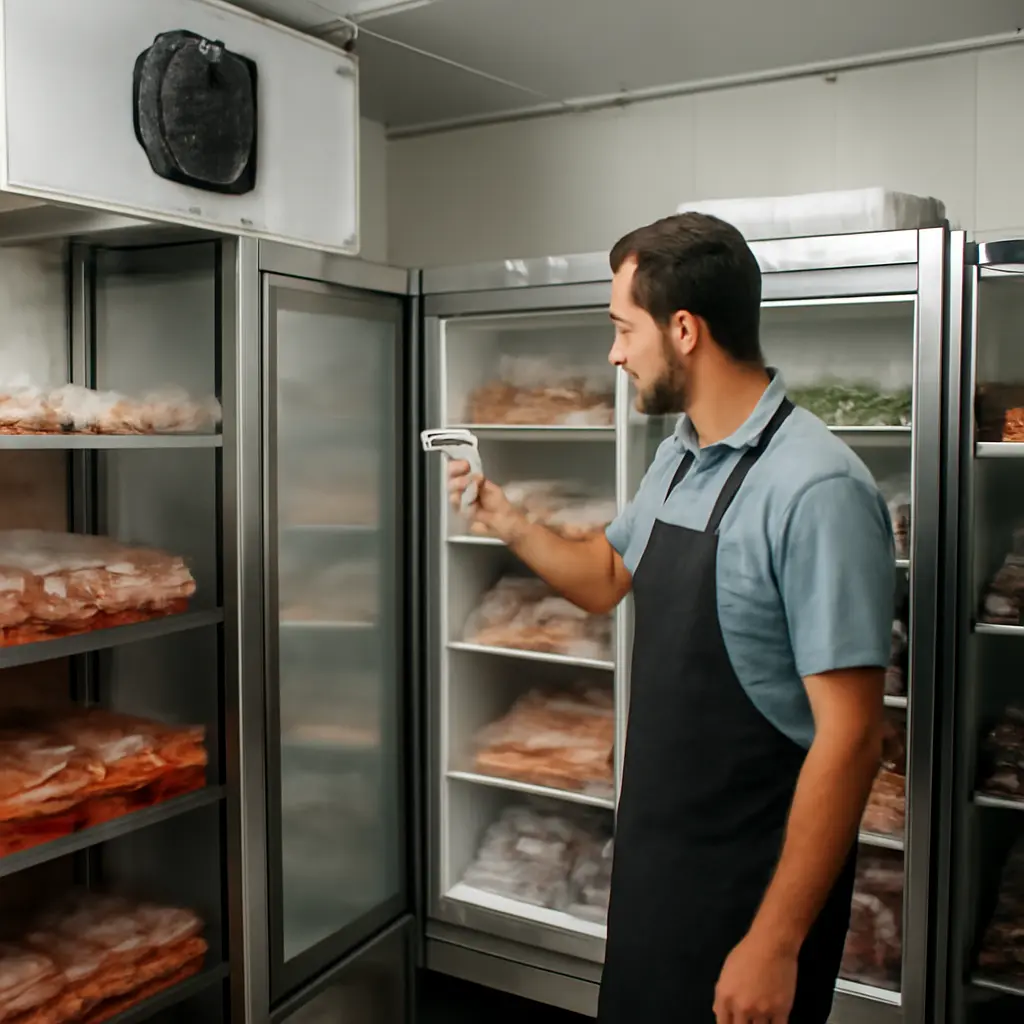
Food safety is the set of practices and controls used to keep food safe to eat by preventing contamination and reducing biological, chemical, and physical hazards. The World Health Organization (WHO) estimates that unsafe food causes about 600 million cases of foodborne illness and 420,000 deaths worldwide each year. Understanding food safety means knowing the hazards, applying prevention measures from production through preparation, and meeting the rules that protect consumers. This introduction explains those elements, shows how food safety systems work in practice, and outlines steps businesses and households can take to reduce risk.
Food Safety Hazards: Identifying What Can Make Food Unsafe
A food safety hazard is a biological, chemical, or physical agent in food, or a condition of food, with the potential to cause an adverse health effect. The Codex Alimentarius Commission, the international food standards-setting body established by the Food and Agriculture Organization (FAO) and WHO, uses this risk-focused definition in its food hygiene principles. A hazard is not the same as risk: risk considers both the likelihood that exposure will cause harm and how serious that harm could be.
Hazards can enter the food chain during farming, processing, transport, retail, food service, or home preparation. Recognizing the type of hazard helps determine which control will be effective.
Biological hazards
Biological hazards include disease-causing bacteria, viruses, parasites, and, in some cases, toxins produced by microorganisms. Examples include Salmonella, pathogenic Escherichia coli, Listeria monocytogenes, norovirus, and parasites such as Trichinella. These hazards may spread through contaminated ingredients, unsafe water, infected food handlers, pests, or contact between raw and ready-to-eat foods.
The Centers for Disease Control and Prevention (CDC) estimates that foodborne germs cause 48 million illnesses, 128,000 hospitalizations, and 3,000 deaths in the United States each year. Some microorganisms can multiply when food is held at unsafe temperatures, while others may survive if cooking or sanitation is inadequate. Thorough cooking, handwashing, separation of raw and ready-to-eat foods, and controlled refrigeration are key defenses.
Chemical hazards
Chemical hazards are harmful substances that may be present naturally, enter food unintentionally, or be used improperly. Examples include pesticide residues, cleaning chemicals, heavy metals, allergens, and toxins formed by certain molds. Chemical contamination can occur when equipment is not rinsed as required, chemicals are stored near food, or agricultural and manufacturing controls fail.
Food allergens are an especially important chemical-hazard category in food-safety management because even small amounts can trigger serious reactions in sensitive consumers. Controls include accurate ingredient information, effective cleaning between production runs, preventing cross-contact, and clear labeling. Businesses should follow the allergen-listing and labeling requirements that apply in the markets where they sell food.
Physical hazards
Physical hazards are foreign objects that may injure someone or make food unacceptable, such as glass, metal fragments, stones, hard plastic, or bone fragments. They can enter food through damaged equipment, packaging, agricultural harvesting, or poor handling. Inspection, preventive maintenance, supplier controls, sieves, and metal detection can reduce the chance of contamination.
These hazard categories often overlap. For example, damaged packaging can expose food to microbial contamination as well as foreign material. That is why food safety programs assess hazards at each step rather than relying on a single final inspection.
Food Safety Prevention: Controlling Hazards from Farm to Table
Food safety prevention is the coordinated use of hygiene, process controls, monitoring, and corrective action to keep hazards from entering food or reaching consumers. WHO’s “Five Keys to Safer Food” summarizes practical principles: keep clean, separate raw and cooked foods, cook thoroughly, keep food at safe temperatures, and use safe water and raw materials.
Prevention works best as a chain of controls. Producers manage water, animals, and agricultural inputs; processors control sanitation and production conditions; distributors maintain suitable storage and transport; and food-service workers and households handle, cook, and store food safely.
Time, temperature, and cooking controls
Time and temperature controls limit microbial growth and help destroy pathogens. Refrigeration slows the growth of many microorganisms, while adequate cooking can reduce pathogens to safer levels. The U.S. Department of Agriculture (USDA) advises using a food thermometer rather than relying on appearance; its consumer guidance includes cooking poultry to an internal temperature of 165°F (74°C) and ground meats to 160°F (71°C).
Exact requirements can vary by food, process, and jurisdiction. Food businesses should use validated limits and applicable local rules, record temperatures where required, and take corrective action when a limit is missed. A temperature chart can help illustrate the relationship between time, temperature, and microbial control, but it should be based on authoritative guidance for the specific food and process.
Personal hygiene and cross-contamination prevention
Personal hygiene means using practices such as effective handwashing, clean clothing, and appropriate illness reporting to prevent food handlers from contaminating food. Cross-contamination occurs when a hazard transfers from one food, surface, utensil, or person to another. Separating raw meat, poultry, seafood, and eggs from ready-to-eat foods; cleaning and sanitizing equipment; and using safe water are practical controls.
In food-service operations, written cleaning schedules and staff training make these practices repeatable. At home, separate cutting boards or thorough cleaning between tasks can reduce transfer. These controls are especially important for foods that will not receive another cooking step before consumption.
Sanitation, suppliers, and traceability
Sanitation programs control contamination through cleaning, sanitizing, pest management, equipment upkeep, and safe waste handling. Supplier approval and incoming-goods checks help ensure that ingredients meet agreed safety specifications. Traceability records link ingredients and products to their suppliers, production batches, and customers, supporting targeted investigation and recall if a problem arises.
The 2018 multistate E. coli outbreak associated with romaine lettuce illustrates why traceability matters. The CDC reported 210 cases across 36 states, with five deaths; investigators identified the outbreak strain in water from an agricultural canal in the Yuma, Arizona, growing region. The investigation showed how environmental controls, supply-chain information, and rapid public-health communication can help identify and limit an outbreak.
Food Safety Systems: HACCP, Monitoring, and Compliance
A food safety management system organizes preventive controls, records, responsibilities, and verification activities so hazards are systematically controlled. One widely used method is Hazard Analysis and Critical Control Point (HACCP), a structured approach that identifies significant hazards and establishes controls at steps where they can be prevented, eliminated, or reduced to acceptable levels. Codex Alimentarius describes HACCP as a science-based system intended to focus control on significant hazards rather than rely solely on end-product testing.
HACCP is supported by prerequisite programs, including good hygiene practices, sanitation, staff training, supplier controls, and equipment maintenance. These foundations create the conditions needed for a HACCP plan to work.
The seven HACCP principles
A HACCP plan follows seven principles: conduct a hazard analysis; determine critical control points; establish critical limits; establish monitoring procedures; define corrective actions; verify that the system works; and maintain documentation and records. For example, a cooking step may be identified as a critical control point if it is necessary to control a pathogen. The plan then specifies the validated time and temperature limit, how it will be monitored, and what staff must do if the limit is not met.
Not every safety measure is a critical control point. A business determines this through its hazard analysis and the rules applicable to its operation. A properly designed plan is specific to the foods, processes, equipment, and hazards involved; copying a generic plan without adapting it can leave important risks uncontrolled.
Monitoring, verification, and corrective action
Monitoring is the planned observation or measurement used to confirm that a control is operating as intended. Verification checks whether the overall system is effective, for example through record review, calibration, internal audits, or testing where appropriate. Corrective action addresses both the immediate affected product and the underlying cause, such as repairing equipment or retraining staff.
Records make these activities reviewable and help establish what happened when a deviation occurs. They can also support inspections, product investigations, and recalls. Testing may contribute evidence, but it cannot replace preventive controls because sampling examines only a portion of production.
Regulatory compliance
Food safety compliance means meeting the laws, regulations, and official requirements that apply to a food, business, and location. Requirements differ across countries and sectors. In the United States, the Food and Drug Administration (FDA) oversees many foods and administers requirements under the Food Safety Modernization Act (FSMA), while the USDA’s Food Safety and Inspection Service regulates meat, poultry, and certain egg products.
FDA’s FSMA preventive-controls rules require covered facilities to implement risk-based food safety plans, subject to applicable exemptions and modified requirements. Compliance may involve hazard analysis, preventive controls, monitoring, corrective actions, verification, records, and employee training. Businesses should consult the regulator and current rules for their specific products and activities rather than assume that one standard applies everywhere.
Food Safety in Practice: Shared Responsibilities and Public Health
Food safety is a shared responsibility, not only a matter of following rules in a commercial kitchen. Food producers, manufacturers, retailers, food-service operators, regulators, and consumers each influence whether hazards are controlled. WHO notes that children under five bear 40% of the global burden of foodborne disease, despite representing only 9% of the world’s population, underscoring the need to protect people who are more vulnerable to severe illness.
Food businesses and regulators
Businesses put prevention into practice through trained staff, safe facility design, approved suppliers, sanitation programs, temperature controls, allergen management, and effective records. Regulators establish requirements, inspect operations, investigate outbreaks, and communicate risks. Strong systems support both public health and business continuity by helping prevent illness, waste, recalls, and loss of consumer confidence.
Households and consumers
Consumers can reduce risk by keeping hands and surfaces clean, separating raw foods from ready-to-eat items, cooking foods to safe internal temperatures, refrigerating perishables promptly, and using safe water and ingredients. People at higher risk of severe illness—including young children, older adults, pregnant people, and those with weakened immune systems—should follow relevant public-health advice about high-risk foods.
Food-safety guidance is most useful when made routine: check storage conditions, follow package instructions, use a thermometer when needed, and discard food when safety cannot be established. When a recall or public-health notice is issued, consumers should follow the instructions from the responsible authority.
Conclusion: Food Safety Protects Health and Trust
Food safety begins with identifying biological, chemical, and physical hazards, then preventing or controlling them throughout the food chain. Practical measures such as hygiene, separation, sanitation, safe temperatures, supplier oversight, and traceability form the foundation. HACCP and related management systems turn those measures into monitored, documented processes, while regulatory compliance sets minimum obligations for businesses.
The global burden of foodborne disease shows why food safety matters to public health, livelihoods, and confidence in the food supply. Businesses should review their hazard controls and applicable regulations; households can apply WHO’s Five Keys to Safer Food and consult national food-safety authorities for current guidance.
Sources: World Health Organization, Food safety fact sheet, https://www.who.int/news-room/fact-sheets/detail/food-safety; Codex Alimentarius Commission, General Principles of Food Hygiene, CXC 1-1969, https://www.fao.org/fao-who-codexalimentarius/codex-texts/codes-of-practice/en/; Centers for Disease Control and Prevention, Estimates of Foodborne Illness in the United States, https://www.cdc.gov/foodborne-burden/php/data-research/; World Health Organization, Five Keys to Safer Food Manual, https://www.who.int/publications/i/item/9789241594639; U.S. Department of Agriculture, Safe Minimum Internal Temperature Chart, https://www.foodsafety.gov/food-safety-charts/safe-minimum-internal-temperatures; Centers for Disease Control and Prevention, Multistate Outbreak of E. coli O157:H7 Infections Linked to Romaine Lettuce, https://www.cdc.gov/ecoli/2018/o157h7-04-18/index.html; U.S. Food and Drug Administration, FSMA Final Rule for Preventive Controls for Human Food, https://www.fda.gov/food/food-safety-modernization-act-fsma/fsma-final-rule-preventive-controls-human-food.