Food safety is the set of practices that prevent food from becoming contaminated or causing illness. Starting your food safety journey does not require learning every rule at once: begin with a few reliable habits—clean hands and surfaces, separate raw foods, cook foods to safe temperatures, and refrigerate promptly—then build knowledge as you shop, prepare, and store food. The World Health Organization estimates that unsafe food causes 600 million cases of foodborne illness and 420,000 deaths worldwide each year, underscoring why small, repeatable actions matter. This guide explains the core principles, shows how to apply them at home, and offers a manageable plan for getting started.
Food Safety Basics: What the Core Practices Mean
Food safety means handling, preparing, and storing food in ways that reduce biological, chemical, and physical hazards. The World Health Organization describes foodborne illness as disease, usually infectious or toxic in nature, caused by agents that enter the body through contaminated food. At home, the most useful starting framework is the U.S. Department of Agriculture’s four steps: Clean, Separate, Cook, and Chill.
These steps address different points in the same risk chain. Cleaning helps remove contamination; separation limits transfer between foods; cooking destroys many harmful germs; and chilling slows their growth. They are practical habits rather than a demand for a perfect kitchen. A simple kitchen checklist can illustrate how they fit together: clean hands and tools, keep raw meat apart from ready-to-eat foods, verify cooking temperatures, and refrigerate leftovers within two hours.
Clean: Reduce Germs on Hands and Surfaces
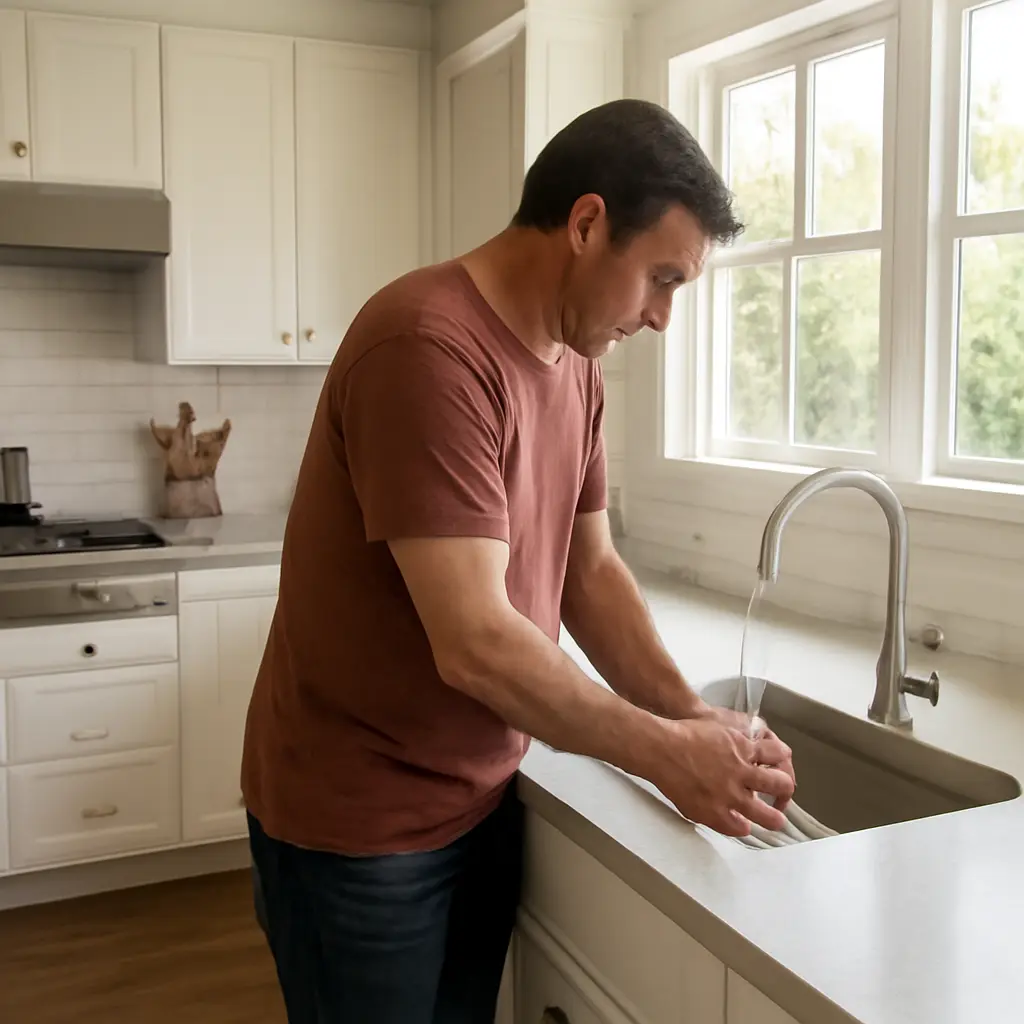
Cleaning means washing hands, utensils, and food-contact surfaces to reduce the chance that harmful microorganisms reach food. The Centers for Disease Control and Prevention (CDC) recommends washing hands with soap and water for at least 20 seconds, including before, during, and after food preparation and after handling raw meat, poultry, seafood, or eggs. Wash cutting boards, knives, and counters with hot, soapy water after contact with raw animal products.
Rinsing produce under running water is also a useful habit; soap or detergent is not recommended for washing fruits and vegetables. Cleaning is not the same as sanitizing: sanitizing reduces germs on an already-clean surface. For a beginner, the priority is straightforward—wash hands at key moments and clean tools between raw and ready-to-eat foods.
Separate: Prevent Cross-Contamination
Cross-contamination occurs when germs move from one food, surface, or utensil to another. Keep raw meat, poultry, seafood, and eggs separate from foods that will be eaten without further cooking. Use separate cutting boards when practical, or thoroughly wash boards and knives between tasks. At the grocery store, place raw meat in a bag and keep it apart from produce and ready-to-eat items; in the refrigerator, store raw meat in a sealed container on the lowest shelf so juices cannot drip onto other food.
This step is especially important because a food can look and smell normal while still carrying pathogens. Separation works alongside cleaning: one limits the route germs can travel, and the other removes contamination from hands and surfaces.
Cook: Use Temperature, Not Appearance
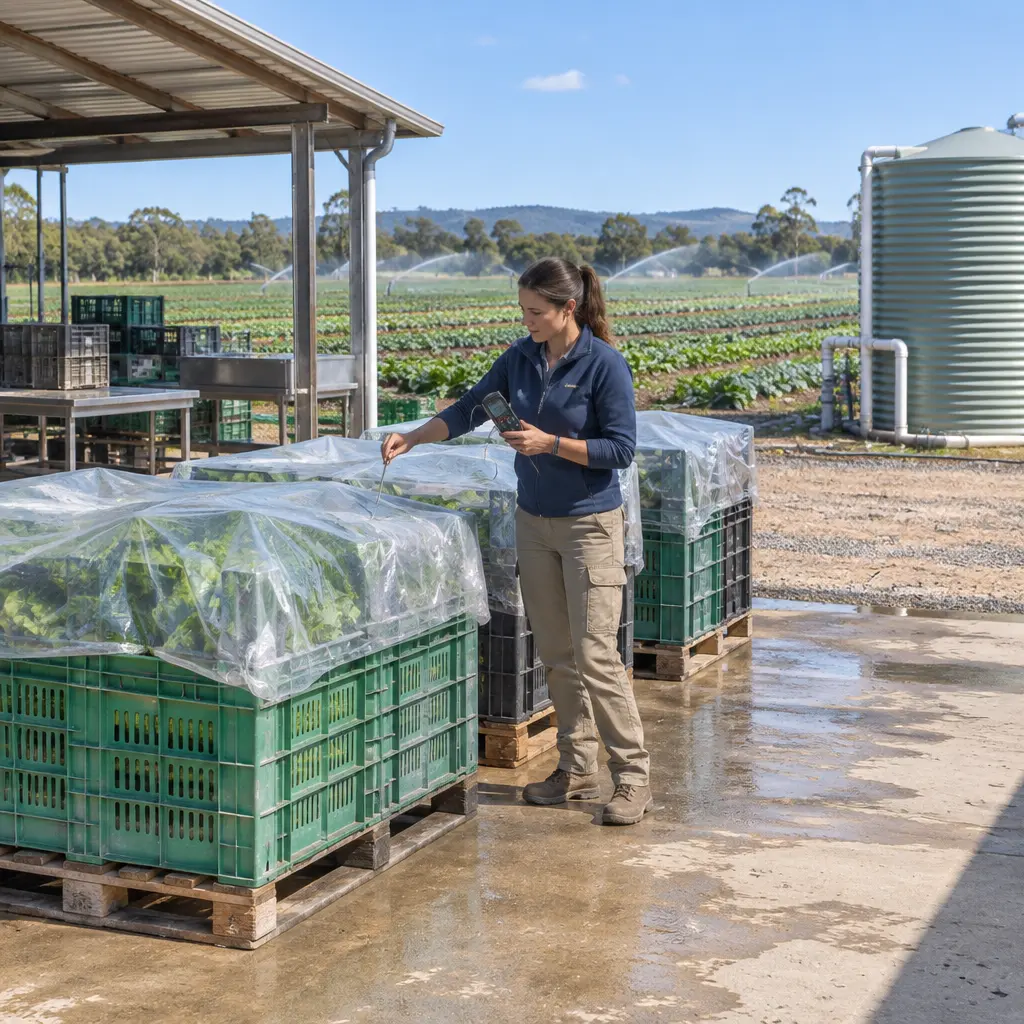
Cooking to a safe internal temperature helps destroy harmful bacteria and parasites. Color, texture, and cooking time alone cannot reliably confirm that food is safe. The USDA recommends using a food thermometer in the thickest part of the food, avoiding bone, to check doneness.
- Whole cuts of beef, pork, lamb, and veal: 145°F (63°C), followed by a three-minute rest.
- Ground meats: 160°F (71°C).
- All poultry, including ground poultry: 165°F (74°C).
- Fish: 145°F (63°C), or until flesh is opaque and separates easily with a fork.
- Leftovers and casseroles: 165°F (74°C).
A basic digital food thermometer is a useful first purchase because it replaces guesswork with a measurable check. Follow product-specific instructions where relevant, and clean the thermometer between uses.
Chill: Control Time and Temperature
Chilling means refrigerating perishable food promptly so germs have less opportunity to multiply. The USDA advises keeping a refrigerator at 40°F (4°C) or below and a freezer at 0°F (-18°C). Refrigerate perishable foods within two hours, or within one hour when the surrounding temperature is above 90°F (32°C). Divide large amounts of leftovers into shallow containers so they cool more quickly.
Do not rely on smell or appearance to decide whether food left out is safe. When time or temperature is uncertain, the safer choice is to discard it. These basic controls are especially valuable because CDC estimates that 48 million people in the United States get sick from foodborne illness each year, with 128,000 hospitalizations and 3,000 deaths.
Food Safety Risks: Recognize Common Hazards
A food safety hazard is anything that can make food unsafe. The main categories are biological, chemical, and physical hazards. Understanding them does not mean trying to diagnose every risk; it helps explain why simple controls such as handwashing, separation, temperature checks, and careful storage are effective.
Biological Hazards: Bacteria, Viruses, and Parasites
Biological hazards include disease-causing bacteria, viruses, and parasites. Examples associated with foodborne illness include Salmonella, Campylobacter, norovirus, and certain strains of Escherichia coli. Contamination may occur during production, transport, or preparation, so safe handling matters even when food comes from a reputable store.
Some people face a higher risk of severe illness, including children under five, adults aged 65 and older, pregnant people, and people with weakened immune systems, according to the CDC. For households caring for someone in these groups, extra care with high-risk foods and strict temperature control is particularly important.
Chemical and Physical Hazards
Chemical hazards include cleaning products, pesticides, and allergens that unintentionally enter or contact food. Keep cleaning chemicals away from food and food-contact surfaces, follow label directions, and prevent chemical containers from being mistaken for food containers. Allergens require a separate prevention approach: check ingredient labels, avoid cross-contact, and use clean utensils and surfaces when preparing food for someone with a food allergy.
Physical hazards are foreign objects such as fragments of packaging, glass, or other materials. Inspect food packaging and preparation areas, and discard food if a potentially dangerous foreign object may have entered it. These less frequent hazards reinforce the value of an orderly, clean workspace.
Food Safety at Home: Build a Manageable Routine
The easiest way to make food safety sustainable is to attach it to routines you already have. Rather than memorizing a long list of rules, choose a few actions for shopping, preparation, cooking, and storage. A short routine reduces preventable mistakes without making everyday meals feel complicated.
A Beginner’s First-Week Plan
- Check that the refrigerator is at or below 40°F (4°C); use an appliance thermometer if needed.
- Set up a handwashing and surface-cleaning routine before food preparation.
- Keep raw animal products separate from produce and ready-to-eat foods.
- Use a food thermometer to check one meal this week.
- Label or date leftovers and refrigerate them promptly.
This is a starting point, not a test. Once these habits feel familiar, add another practice, such as checking food recalls or learning how to thaw food safely. Building one habit at a time is more realistic than attempting to overhaul every kitchen routine at once.
Shopping, Storage, and Leftovers
At the store, choose chilled and frozen foods near the end of the shopping trip and get them home promptly. Store food according to package instructions, keep raw meat sealed and below ready-to-eat items, and avoid overcrowding the refrigerator so cold air can circulate. Thaw food in the refrigerator, in cold water changed regularly, or in the microwave—not on the counter.
For leftovers, use clean, shallow containers and refrigerate them within the recommended time. The USDA generally advises using refrigerated leftovers within three to four days; reheat them to 165°F (74°C). When in doubt about how long food has been stored or whether it was kept cold, discard it rather than tasting it to check.
A Practical Example: Preparing Chicken and Salad
Consider a meal that includes raw chicken and a ready-to-eat salad. Wash hands first, prepare the salad with clean tools, and place it aside before handling the chicken. Use a separate board for the chicken, clean any surface that contacts raw juices, and cook the chicken until a thermometer reads 165°F (74°C). Refrigerate leftovers within two hours. This example connects all four USDA steps in one ordinary meal: Clean, Separate, Cook, and Chill.
Conclusion: Start Small and Keep Food Safety Consistent
Food safety becomes manageable when its core practices are treated as repeatable habits. Clean hands and surfaces, separate raw and ready-to-eat foods, cook to verified temperatures, and chill perishable foods promptly. Recognizing biological, chemical, and physical hazards helps explain why these actions matter, while a simple weekly plan turns knowledge into routine.
Foodborne illness is common, but many everyday risks can be reduced through practical steps. Start by checking your refrigerator temperature and using a food thermometer, then build from there. For more guidance, consult food safety resources from the CDC, USDA, and World Health Organization.
Sources: World Health Organization, “Food safety,” https://www.who.int/news-room/fact-sheets/detail/food-safety; U.S. Department of Agriculture, Food Safety and Inspection Service, “Four Steps to Food Safety,” https://www.fsis.usda.gov/food-safety/safe-food-handling-and-preparation/food-safety-basics/four-steps-food-safety; U.S. Department of Agriculture, Food Safety and Inspection Service, “Safe Minimum Internal Temperature Chart,” https://www.fsis.usda.gov/food-safety/safe-food-handling-and-preparation/food-safety-basics/safe-temperature-chart; U.S. Department of Agriculture, Food Safety and Inspection Service, “Leftovers and Food Safety,” https://www.fsis.usda.gov/food-safety/safe-food-handling-and-preparation/food-safety-basics/leftovers-and-food-safety; Centers for Disease Control and Prevention, “Food Safety,” https://www.cdc.gov/food-safety/; Centers for Disease Control and Prevention, “People at Increased Risk for Food Poisoning,” https://www.cdc.gov/food-safety/risk-factors/.